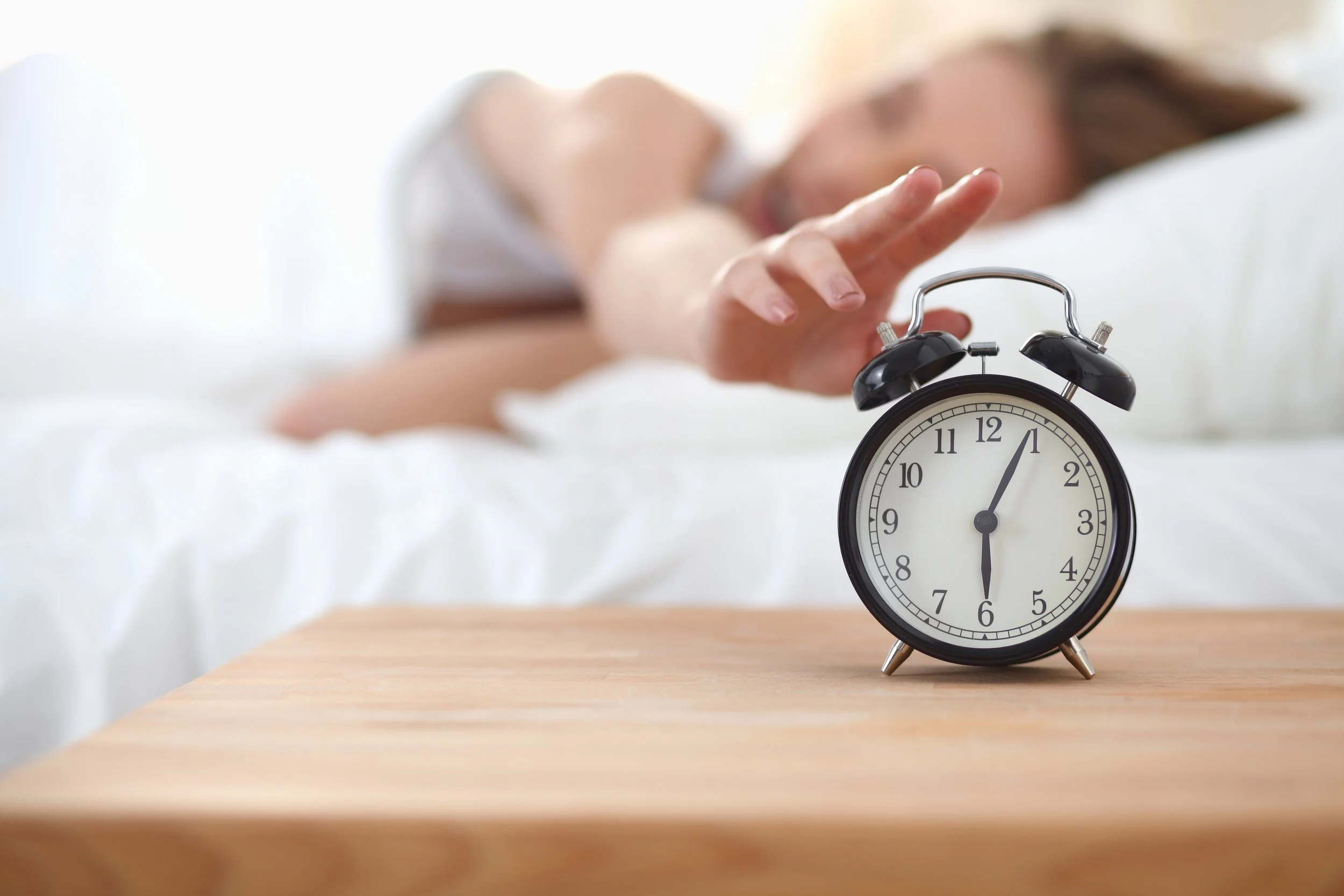
Springing forward doesn’t have to mean losing sleep! Follow this simple Daylight Savings transition plan to adjust smoothly, avoid grogginess, and wake up refreshed.

The Sleep Blog
If winter wreaks havoc on your sleep, you’re not alone. Even though there are plenty of people who swear they sleep better in the winter months, there are many of us (hello!) who do not. Check out this blog post to find out why and to get my top tips to get you sleeping better during the chilly season.
Grounding, also known as earthing, reconnects you with the Earth's natural energy, offering significant benefits for your sleep. Delve into the science of grounding, its impact on reducing cortisol and inflammation, and get practical tips for incorporating grounding into your routine. Learn how to improve your sleep quality naturally through grounding.
One of the lesser known reasons for insomnia is having a slow metabolism or low rate of oxidation. Through the interpretation of an HTMA I am able to determine whether or not my client’s four main minerals (magnesium, calcium, sodium, and potassium) are in balance. This gives me important information for how to help you improve your sleep.
“Hey Siri, reset the clock.” It’s that time of year again, and although this time change isn’t as tough on the system as that in the spring, it can still create challenges — especially for those of us with strong circadian rhythms. If you’re sensitive to changes in your sleep, definitely check out this blog post to prepare for the End of Daylight Savings Time to keep your best sleep.
Ever notice how the sun can be both energizing and exhausting? There’s a reason for that and it has to do with our internal body clock. In this blog post, I explain in simple ways how natural light and artificial light affect our internal body clock and circadian rhythm. Then, I give my best tips to help you become intentional about the way you expose yourself to light in order to get the best rest possible.
Have you tried everything to resolve your insomnia, but you’re still experience sleepless nights? The real reason you’re not sleeping is because no one has told you about these little-known hidden sleep sabotogers — until now! This FREE mini-training: “Uncovering Hidden Sleep Sabotagers” will help you get to the root of your insomnia!